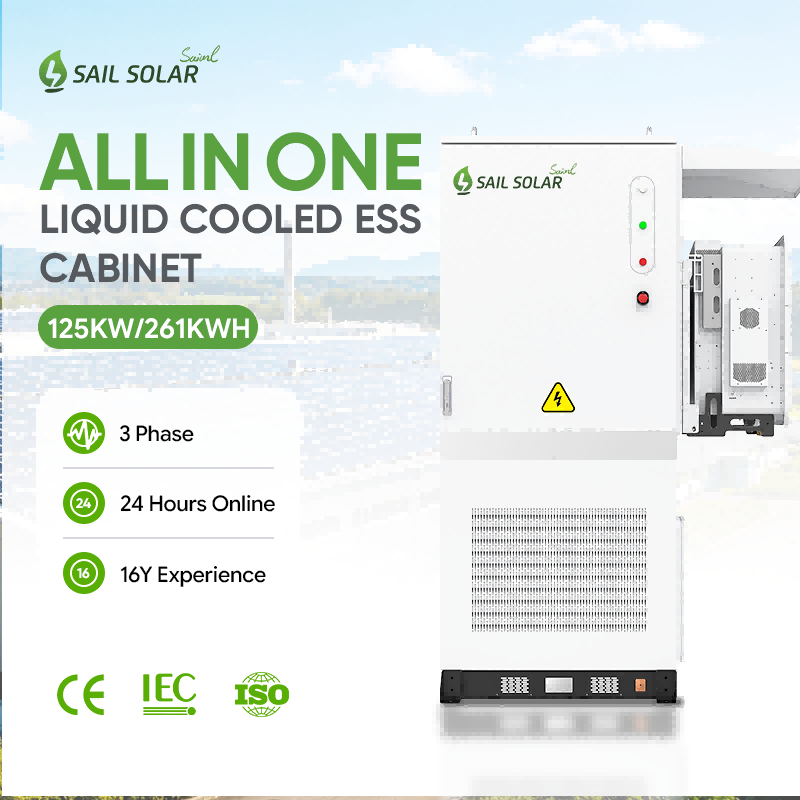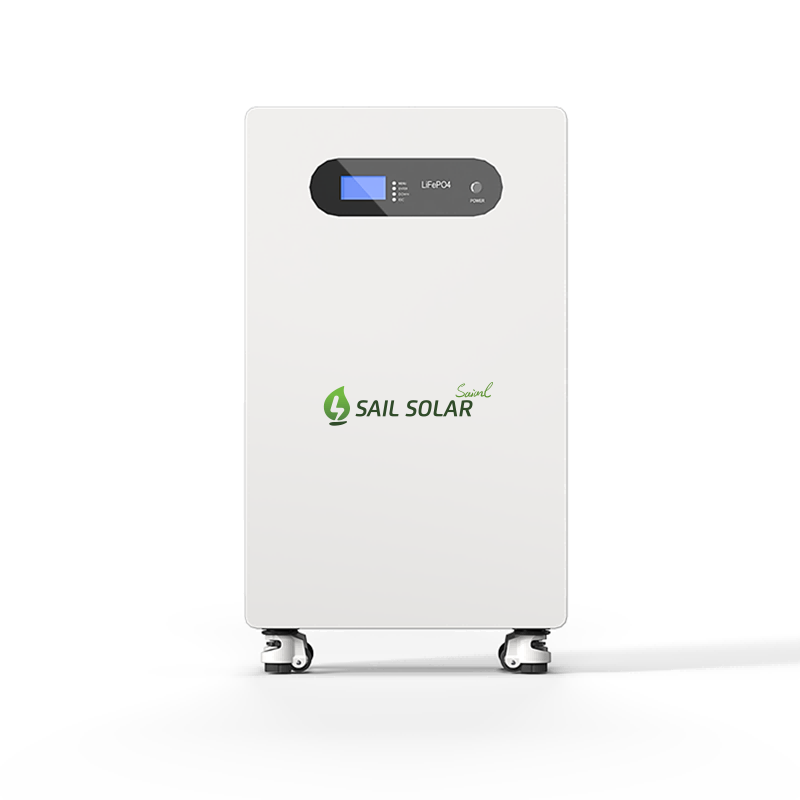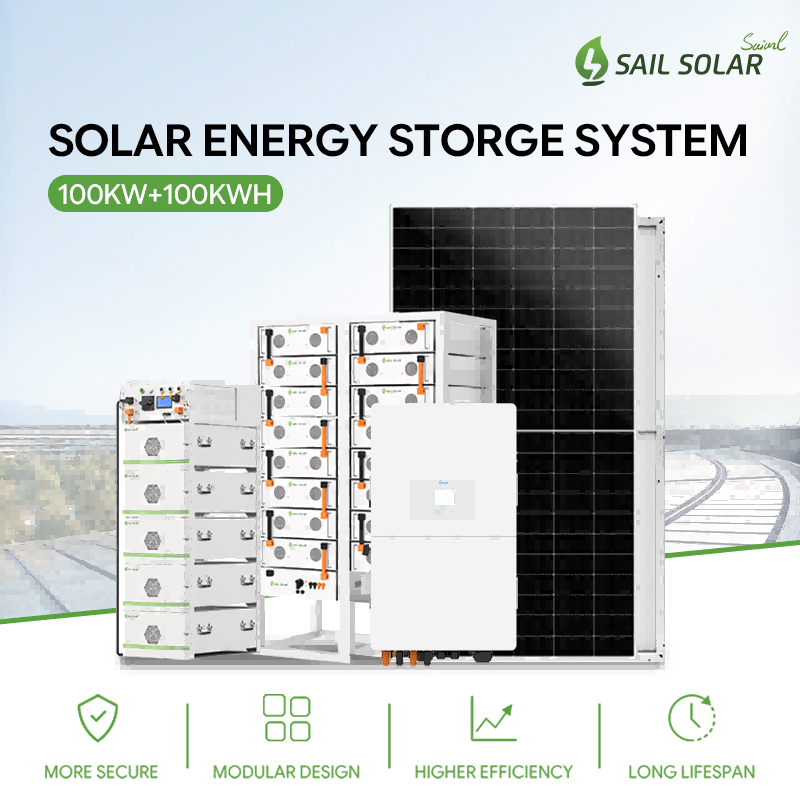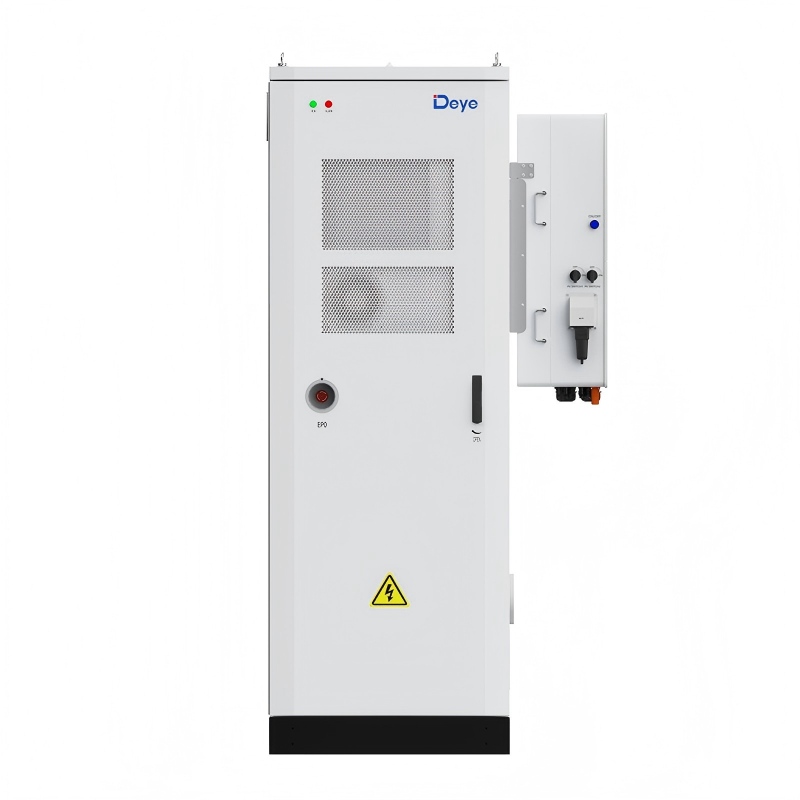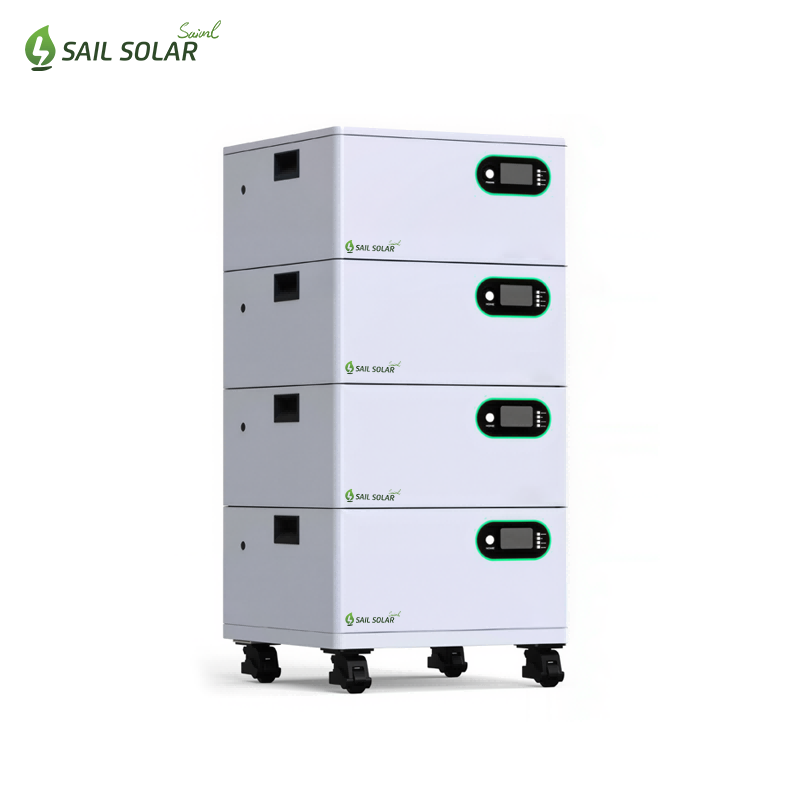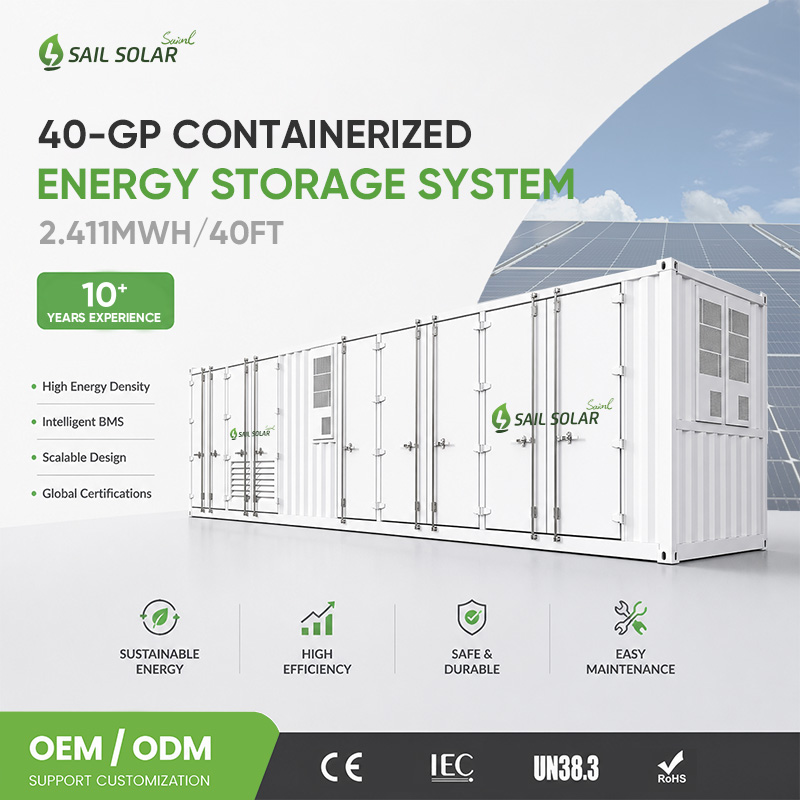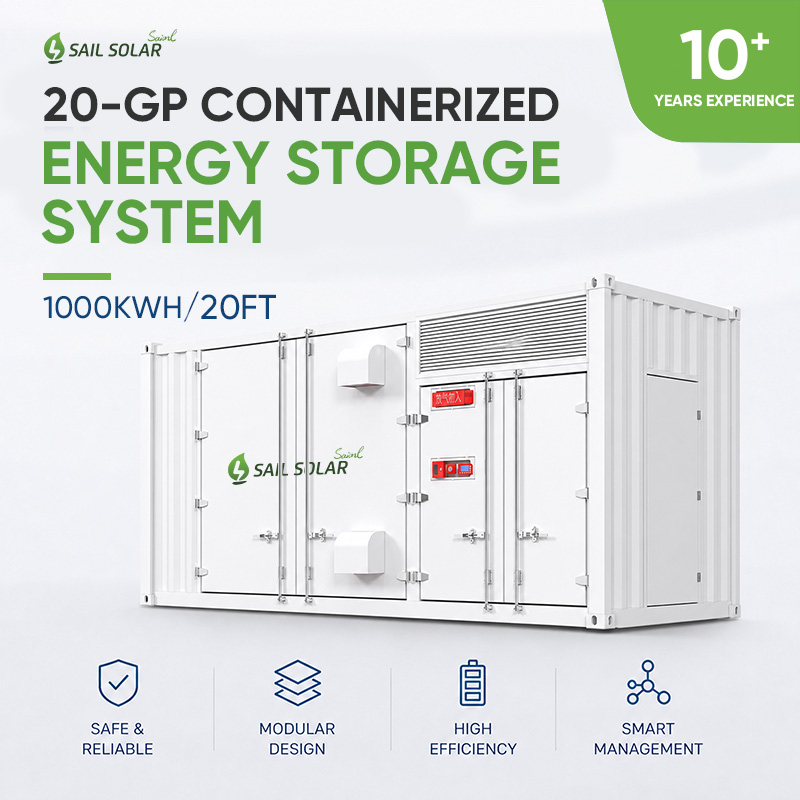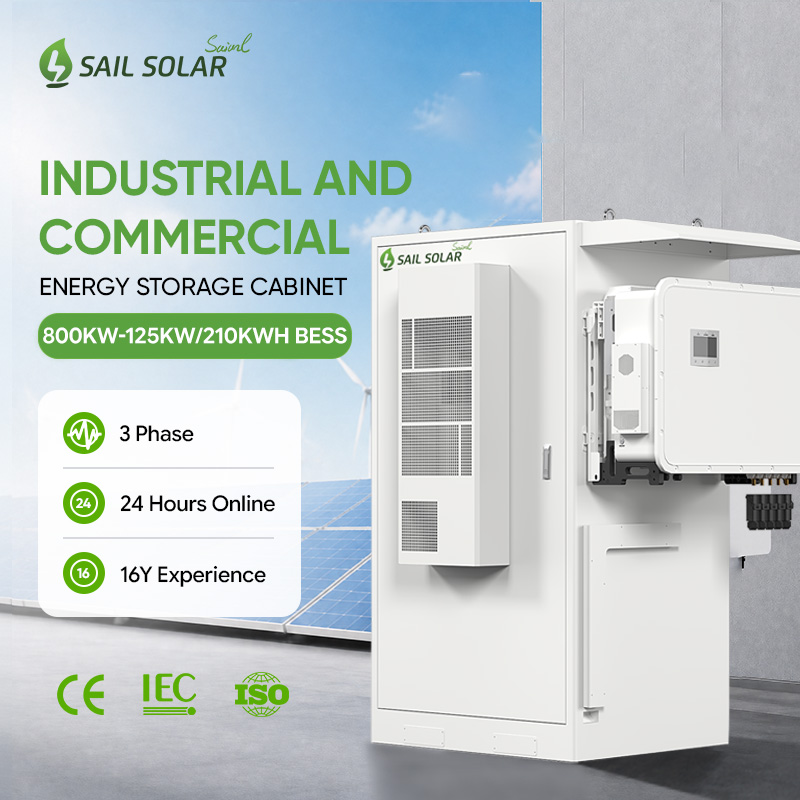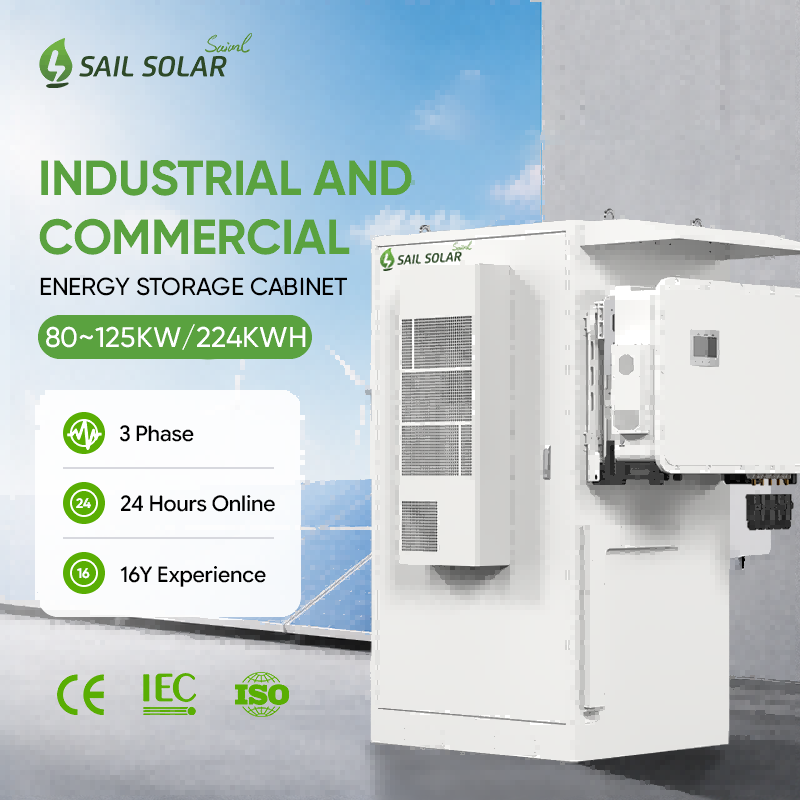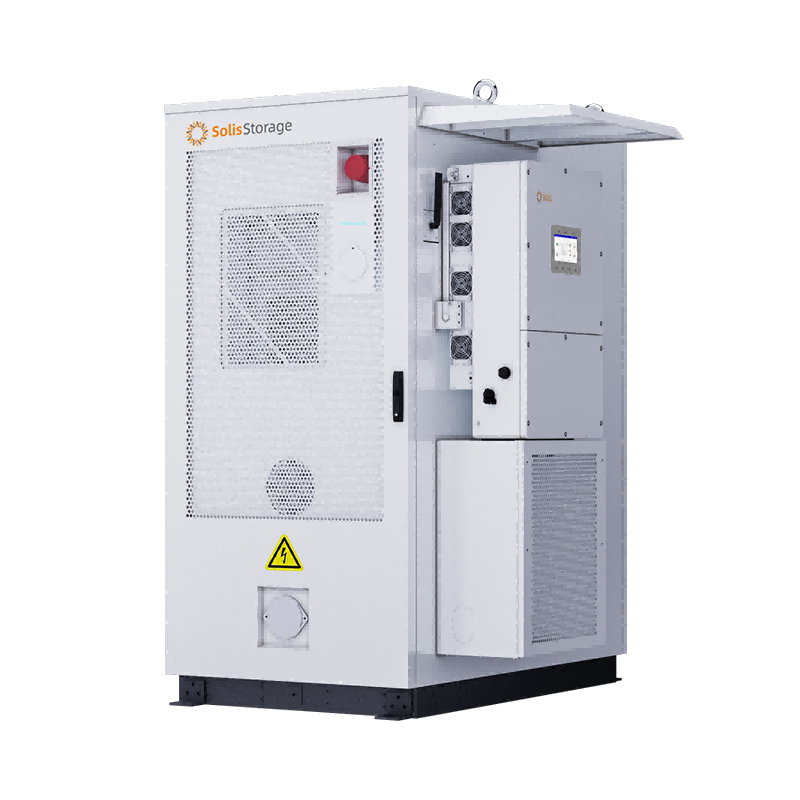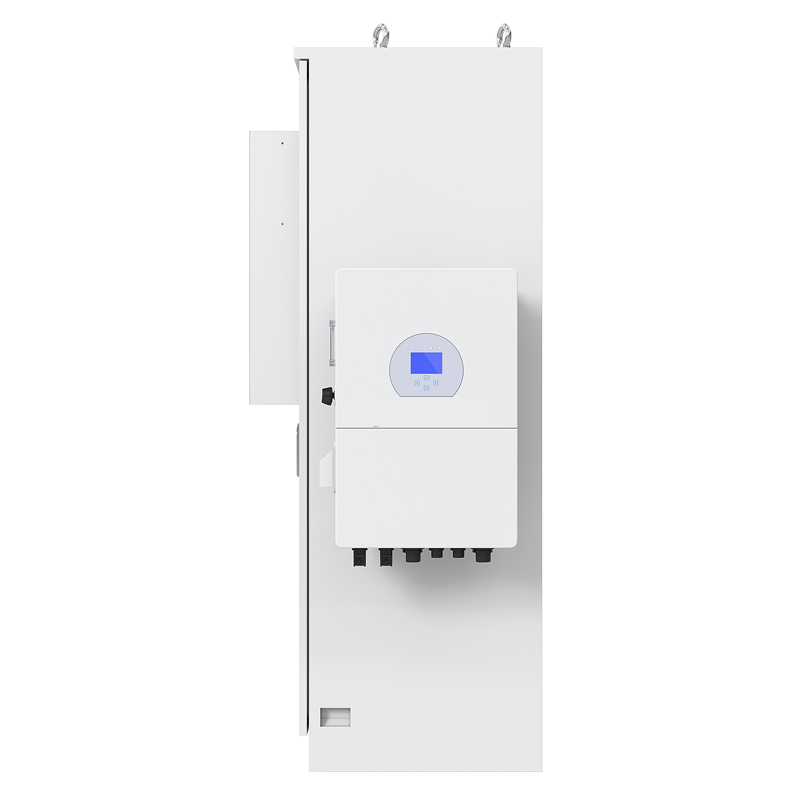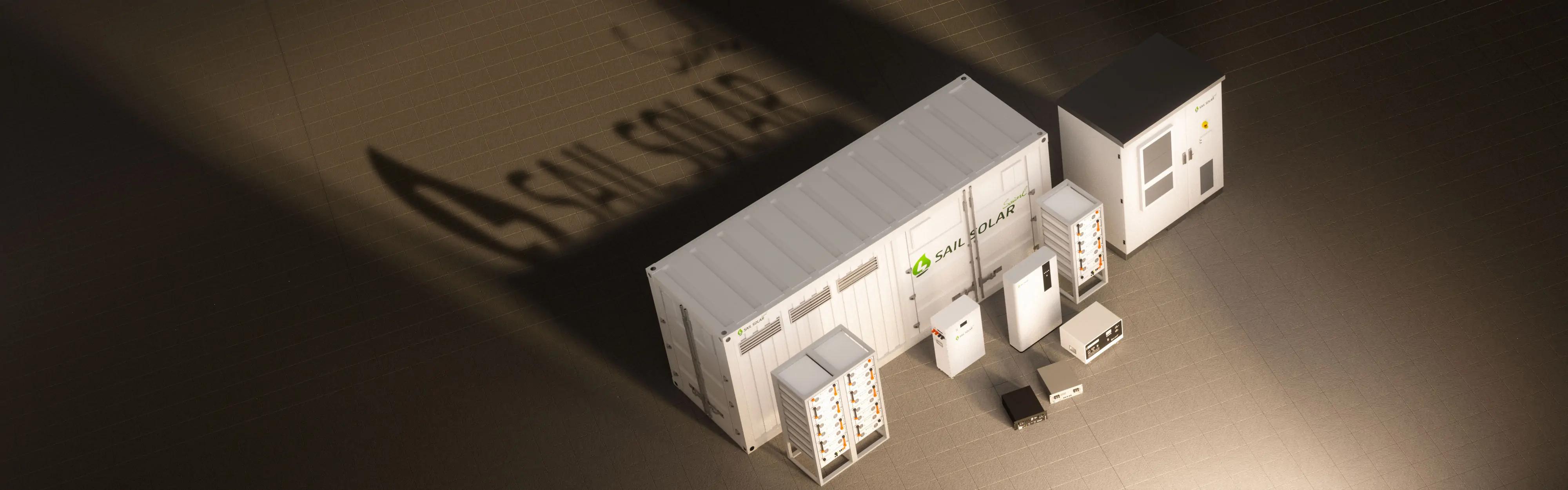
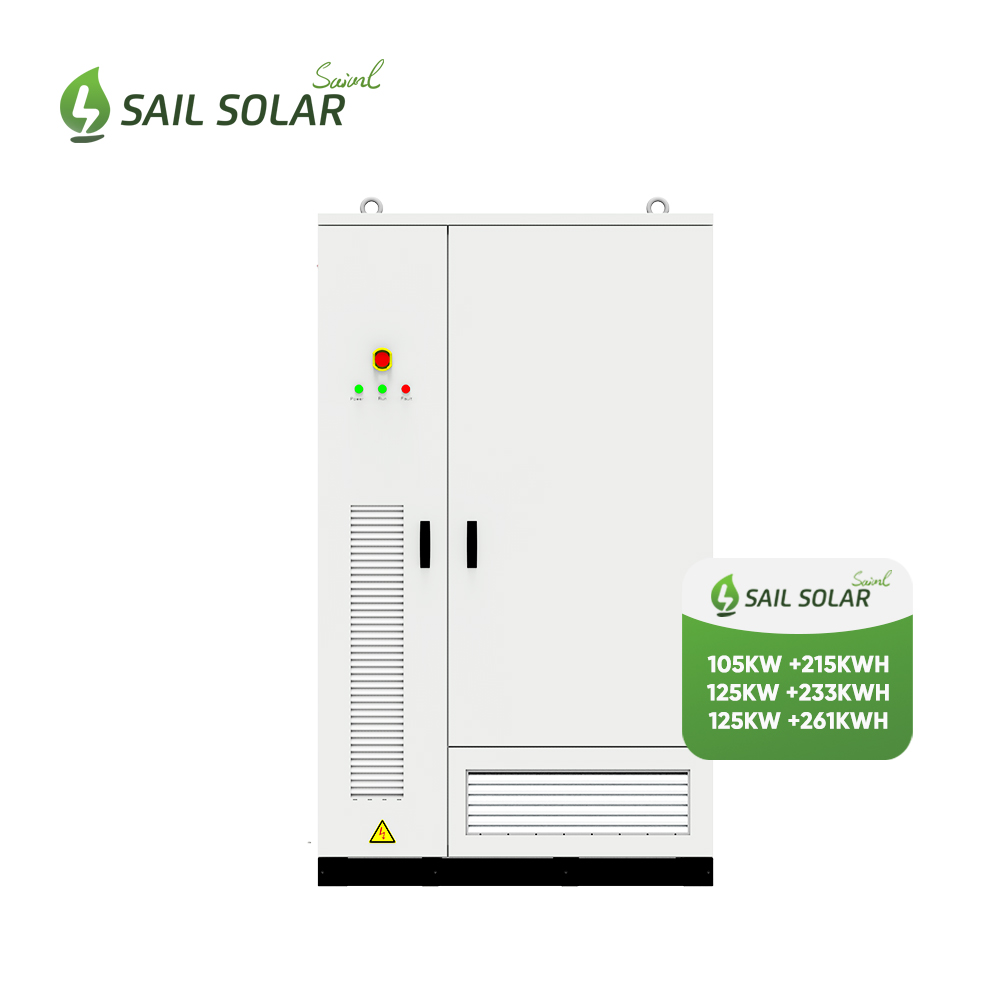
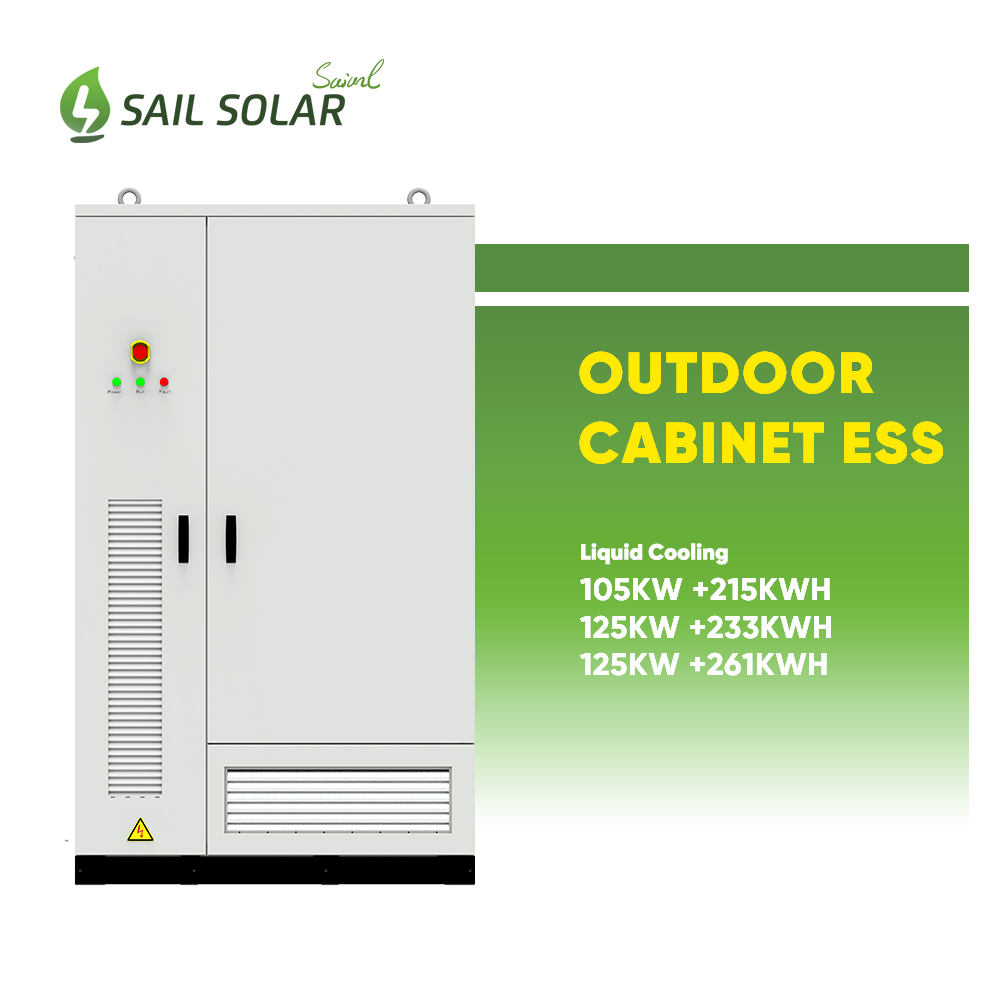
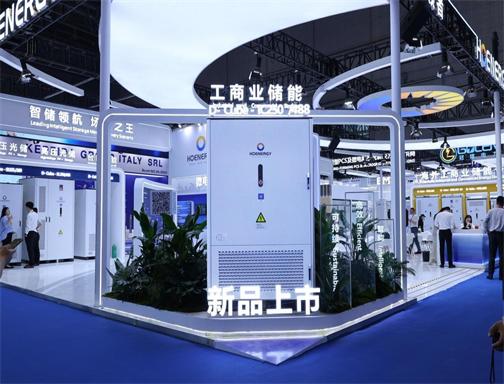
Sistemul de stocare a energiei în dulap exterior este un ESS compact și flexibil, proiectat de Sail Solar, bazat pe caracteristicile sarcinilor mici C&I. Sistemul de stocare distribuită a energiei în aer liber integrează componente esențiale precum unitățile de baterii, PCS, sistemul de stingere a incendiilor, sistemele de control al temperaturii și sistemele EMS. Poate îndeplini cerințele de capacitate de 215 kWh~261 kWh.
Nume de marcă :
SAIL SOLARModelul produsului :
105KW to 125KW/215kwh to 261kwh BESSTip baterie :
Lifepo4garanție :
10 yearsTip invertor :
105KW to 125KW PCSMărimea: :
1460*2203*1400Voltajul bateriei :
650-864VGrad de protectie :
IP65Tensiune de ieșire (V) :
220v/380v;230v/400vTensiune DC de intrare maximă (V) :
1000VFrecvența de ieșire :
50hz/60hz
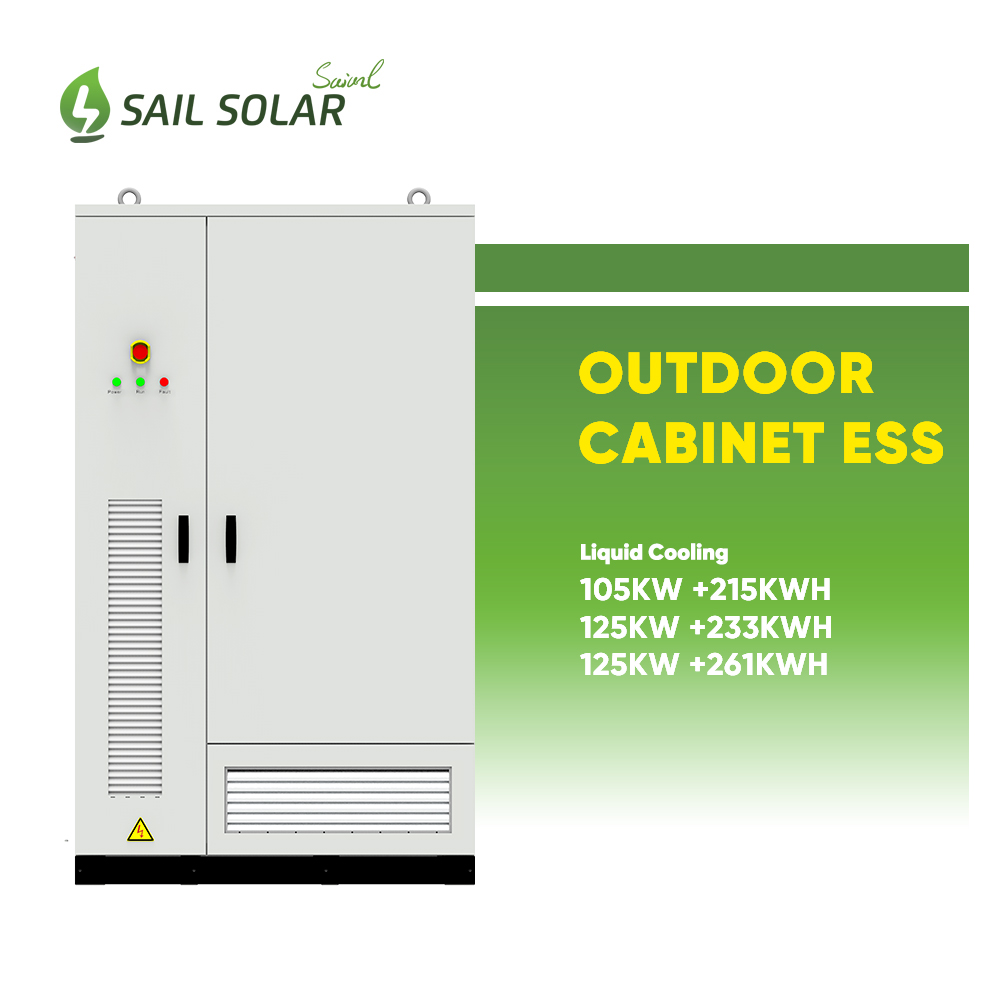
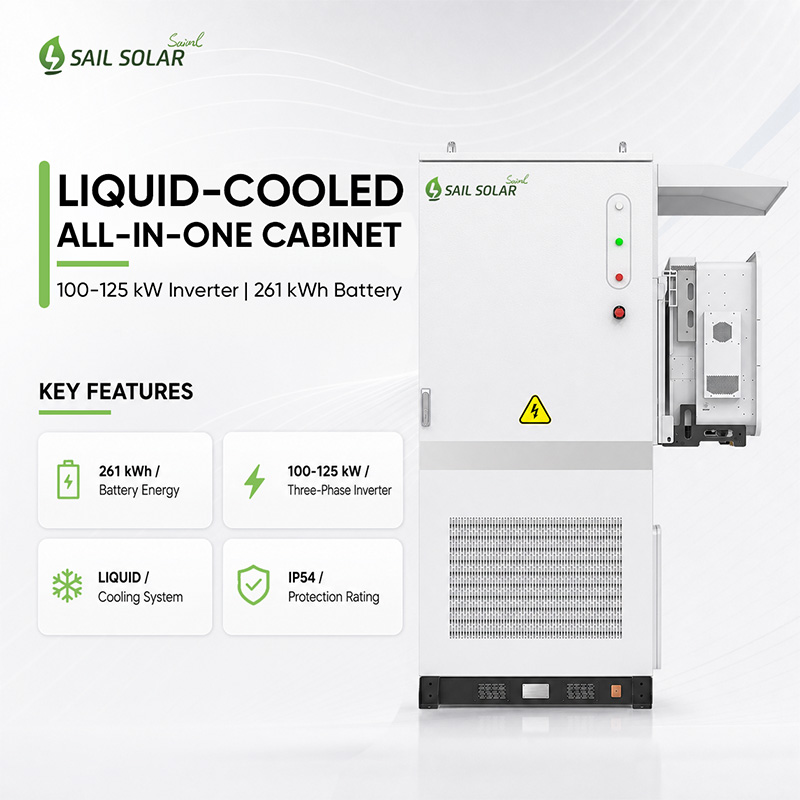
Acesta este un dulap BESS integrat cu răcire cu lichid pentru exterior, care combină conversia energiei de înaltă eficiență, stocarea energiei de mare capacitate și protecția de nivel înalt, conceput special pentru aplicații industriale și comerciale de reducere a vârfurilor de tensiune și umplere a văilor, microrețele, alimentare de rezervă și integrare în noi rețele energetice.
Sistemul este echipat cu un sistem de conversie a puterii bidirecțional (PCS) de 105–125 kW și este asociat cu un cluster de baterii litiu-fier fosfat (LFP) de 215–261 kWh. Adoptând tehnologia de gestionare termică a răcirii cu lichid, acesta oferă o disipare mai uniformă a căldurii și o precizie mai mare a controlului temperaturii în comparație cu răcirea convențională cu aer, suprimând eficient diferențele de temperatură ale bateriei, prelungind durata de viață a ciclului de viață, permițând încărcarea și descărcarea continuă cu putere mai mare și sporind stabilitatea și fiabilitatea sistemului.
Unitatea integrează module BMS, EMS, protecție la incendiu și răcire cu lichid, cu protecție IP54, permițând implementarea directă în exterior, fără a fi nevoie de o cameră dedicată pentru echipamente, asigurând o instalare ușoară și o funcționare și întreținere (O&M) eficientă. Acceptând atât modurile de funcționare conectate la rețea, cât și cele independente de rețea, ajută utilizatorii să reducă costurile cu energia electrică și să îmbunătățească fiabilitatea alimentării cu energie, ceea ce o face soluția preferată de stocare a energiei pentru aplicații industriale, comerciale și în parcuri.
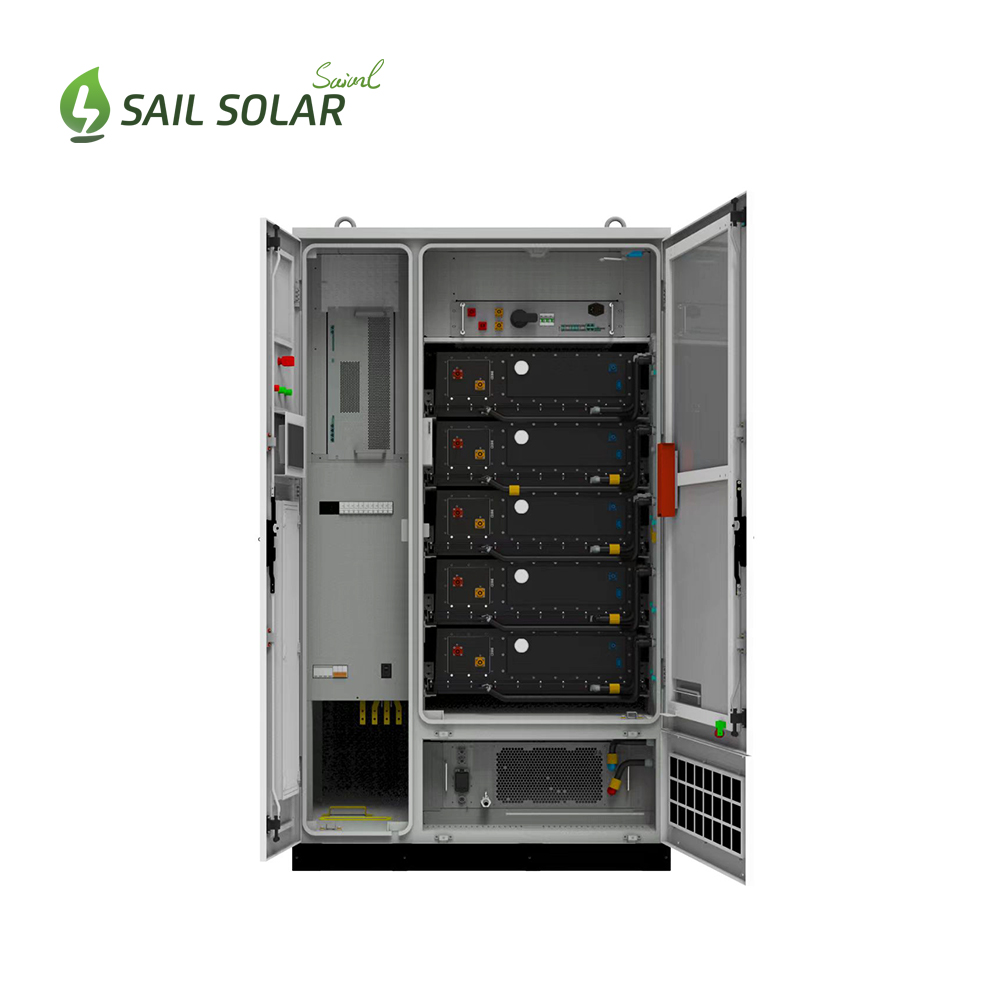
✔ PCS bidirecțional de înaltă eficiență de la 105 kW la 125 kW
Permite încărcarea/descărcarea rapidă, interacțiunea cu rețeaua, integrarea cu energia solară și conversia lină a energiei pentru toate modurile de funcționare.
✔ Pachet de baterii LiFePO4 cu durată lungă de viață, de la 215 kWh la 261 kWh
Celulele de calitate premium oferă peste 8000 de cicluri, stabilitate termică excelentă și siguranță sporită pentru performanță pe termen lung.
✔ Dulap de stocare a energiei multifuncțional
Sisteme integrate PCS, module de baterii, BMS, EMS, de răcire și de protecție într-o singură carcasă pentru exterior.
✔ Control inteligent BMS avansat + EMS
Oferă monitorizare în timp real, gestionarea sarcinii, reducerea vârfurilor de consum, programarea energiei, alarme de defecțiune și control de la distanță.
✔ Sursă de alimentare de rezervă fiabilă pentru sarcini critice
Asigură alimentare neîntreruptă în timpul întreruperilor de alimentare cu energie electrică, ideal pentru clădiri comerciale, fabrici, locații de telecomunicații și microrețele.
✔ Integrare perfectă a sistemelor fotovoltaice solare
Suportă funcționarea hibridă cu sisteme solare montate pe acoperiș sau la sol pentru o utilizare mai mare a energiei regenerabile.
✔ Modular, scalabil și ușor de instalat
Designul plug-and-play simplifică implementarea și permite extinderea sistemului la capacități mai mari.
✔ Ltehnologie de gestionare termică cu răcire lichidă
Oferă o disipare a căldurii mai uniformă și o precizie mai mare a controlului temperaturii în comparație cu răcirea convențională cu aer, suprimând eficient diferențele de temperatură ale bateriei, prelungind durata de viață a ciclului de viață, permițând încărcarea și descărcarea continuă cu putere mai mare și sporind stabilitatea și fiabilitatea sistemului.
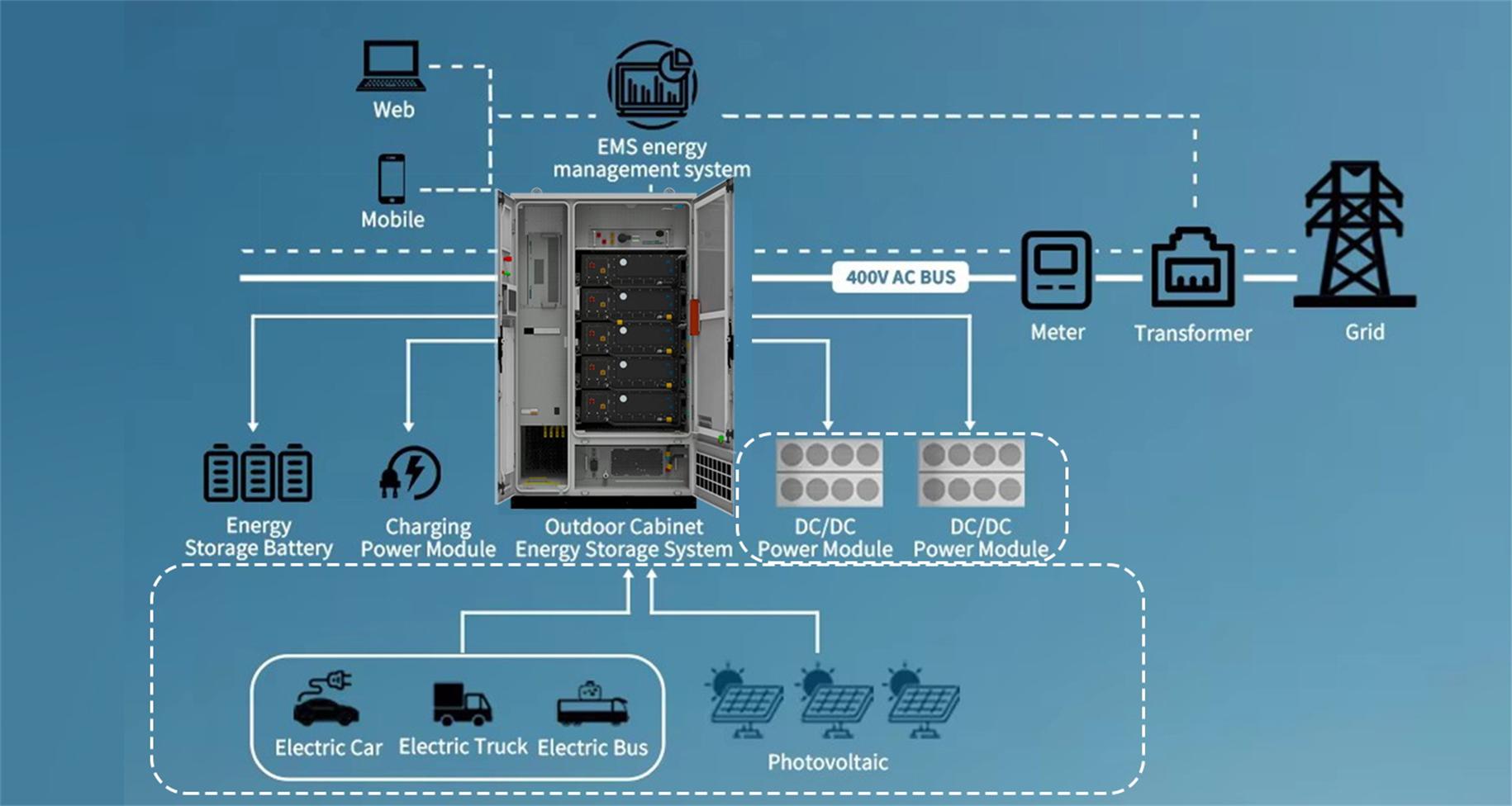
Surse fotovoltaice de alimentare cu prioritate
În timpul zilei, energia electrică generată de sistemul fotovoltaic este convertită în curent alternativ de către invertorul fotovoltaic și livrată către magistrala de curent alternativ. Această energie este utilizată mai întâi pentru a alimenta sarcini locale, cum ar fi încărcătoarele pentru vehicule electrice sau echipamentele comerciale și industriale.
Excesul de energie fotovoltaică încarcă bateria
Când generarea fotovoltaică depășește cererea de sarcină, surplusul de energie este direcționat prin PCS care funcționează în modul de încărcare (AC la DC) și stocat în bateria de litiu. Acest lucru maximizează autoconsumul de energie solară și reduce restricțiile.
Bateria se descarcă atunci când energia fotovoltaică este insuficientă
Dacă puterea fotovoltaică scade sau cererea de sarcină crește, PCS trece automat în modul de descărcare (de la CC la CA). Bateria furnizează apoi energie magistralei de CA, compensând diferența de putere și reducând dependența de rețea.
Funcționare nocturnă sau fără energie solară
Noaptea sau în perioadele fără generare solară, sistemul fotovoltaic este inactiv. BESS furnizează energie electrică sarcinilor prin intermediul PCS. Când starea de încărcare a bateriei (SOC) atinge limita inferioară predefinită, sistemul transferă sarcina către rețeaua publică sau intră în modul standby.
Interacțiunea cu rețeaua și managementul energiei
Sistemul EMS monitorizează continuu producția fotovoltaică, cererea de sarcină, starea de funcționare a bateriei și condițiile rețelei. Pe baza unor strategii de control predefinite, reglează puterea de încărcare și descărcare a PCS pentru a permite reducerea vârfurilor de putere, schimbarea sarcinii, controlul cererii și limitarea exportului către rețea (inclusiv funcționarea cu export zero). Monitorizarea de la distanță este disponibilă prin intermediul platformelor web și mobile.
ETICHETE :
Tel : +86 -18655186412
E-mail : Inquiry@sailsolarpv.com
Whatsapp : +86 -18655186412
Add : Building 7, Cross Border E-Commerce Supervision Zone, Hefei, China


© 2026 SAIL SOLAR ENERGY CO., LTD Toate drepturile rezervate
|Harta site-ului |XML| Politica de confidențialitate